
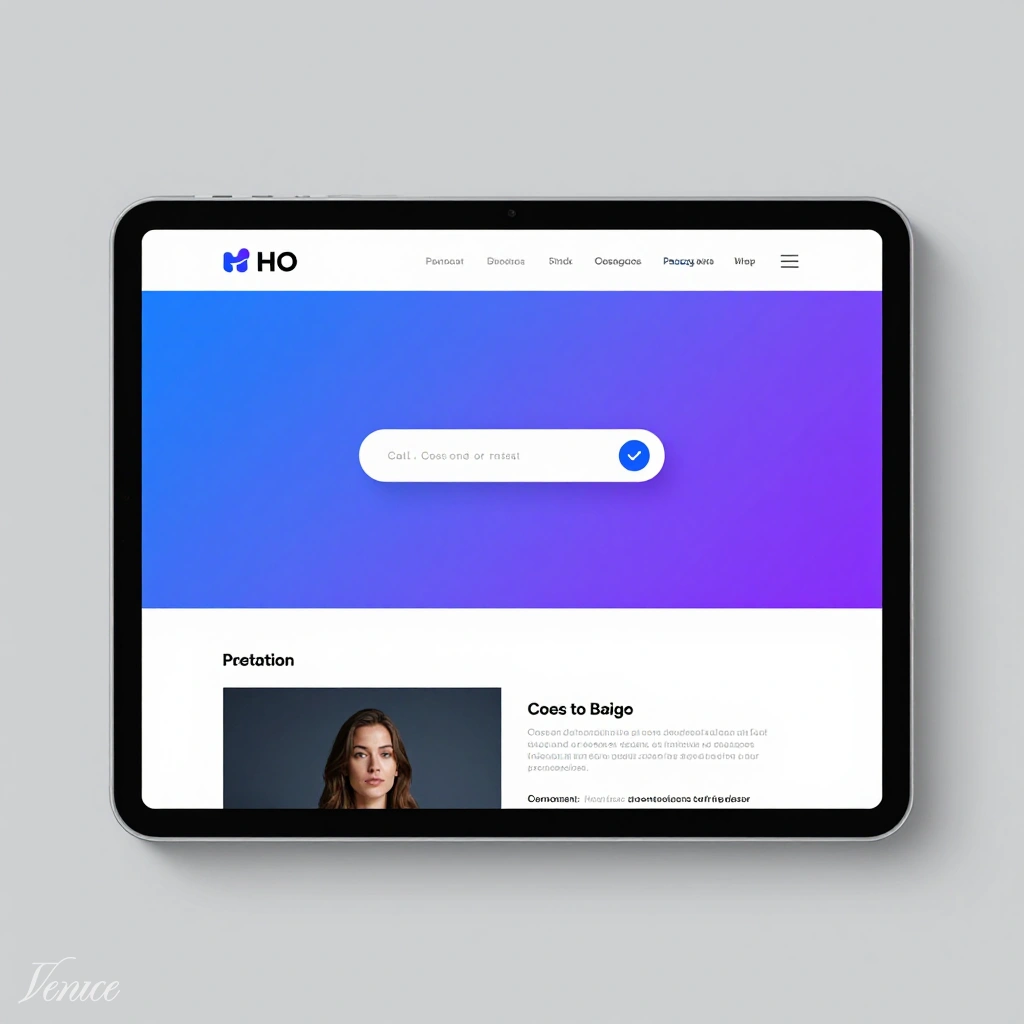
Website design and development is the process of creating and building a website. It’s a two-part process:
- Website Design (The Front-End): This focuses on the user-facing aspects—what the website looks like and how it feels. It involves creating the layout, visual elements (colors, fonts, images), and overall user experience (UX) to ensure the site is aesthetically pleasing, intuitive, and easy to navigate. Designers use tools like Figma, Adobe XD, and Photoshop to create mockups before any code is written.
- Website Development (The Back-End & Front-End Code): This is the technical construction that brings the design to life. It involves writing the code (HTML, CSS, JavaScript) that builds the structure and interactive features, as well as the server-side logic (back-end) that manages data, databases, and application functionality. Developers ensure the website is fast, secure, and fully functional.
Website design and development is a comprehensive discipline that encompasses the entire lifecycle of creating a functional, accessible, and engaging website. While often used interchangeably, “design” and “development” refer to distinct, yet deeply intertwined, phases of the process.
Part 1: Website Design (The “Look and Feel”)
Website design is the creative and strategic process of conceptualizing and planning the user’s visual and interactive experience. It’s concerned with how a website looks and how users interact with it. The primary goal is to create an intuitive, aesthetically pleasing, and effective interface that guides users toward their goals.
Key Areas of Website Design:
- User Experience (UX) Design:
- Focus: The overall feel and ease of use of the website. UX design is the human-centered architecture of the site.
- Activities: User research, creating user personas, mapping user flows (the path a user takes to complete a task), wireframing (creating low-fidelity blueprints of the site’s structure), and prototyping.
- Goal: To ensure the website is logical, seamless, and frustration-free.
- User Interface (UI) Design:
- Focus: The specific visual elements a user interacts with. UI is the tangible manifestation of the UX strategy.
- Activities: Choosing color palettes, selecting typography, designing buttons, forms, menus, and other interactive components. UI designers create high-fidelity mockups that look exactly like the final product.
- Goal: To create a visually appealing and cohesive interface that is both beautiful and functional.
- Visual Design:
- Focus: The broader aesthetic appeal, including imagery, branding elements, and the overall visual hierarchy.
- Goal: To communicate the brand’s message and evoke the desired emotional response from the user.
- Responsive and Mobile-First Design:
- Focus: Ensuring the website provides an optimal viewing experience across a wide range of devices, from desktops to tablets to mobile phones.
- Mobile-First: A modern approach where the design process starts with the mobile version, which is then scaled up for larger screens. This prioritizes the most constrained and often most-used platform.
Common Design Tools:
- Wireframing/Prototyping: Figma, Sketch, Adobe XD
- Graphic Design: Adobe Photoshop, Adobe Illustrator
Part 2: Website Development (The “Building and Functionality”)
Website development is the technical process of building, coding, and maintaining the website. It takes the design blueprints and turns them into a live, functional product on the internet. Development is typically divided into two main categories:
1. Front-End Development (Client-Side):
- What it is: The code that runs in the user’s web browser. It’s responsible for everything the user sees and interacts with directly.
- Core Technologies:
- HTML (HyperText Markup Language): The standard markup language for creating the structure and content of web pages (headings, paragraphs, images, links).
- CSS (Cascading Style Sheets): The language used to describe the presentation and styling of the HTML (colors, layouts, fonts).
- JavaScript: The programming language that enables interactive elements, dynamic content updates, animations, and complex user interactions.
- Frameworks & Libraries: React, Angular, and Vue.js are popular JavaScript frameworks that streamline front-end development.
2. Back-End Development (Server-Side):
- What it is: The “brains” of the website that runs on a web server. It’s the part the user never sees but powers everything behind the scenes.
- Core Responsibilities: Managing user data, processing forms, handling authentication (logins), and interacting with databases.
- Core Technologies:
- Programming Languages: Python, PHP, Ruby, Java, Node.js (JavaScript on the server).
- Databases: MySQL, PostgreSQL, MongoDB for storing and retrieving data.
- Server Software: Apache, Nginx.
- Frameworks: Django (Python), Laravel (PHP), Ruby on Rails (Ruby) provide pre-built structures to simplify back-end development.
3. Full-Stack Development:
- A full-stack developer is proficient in both front-end and back-end technologies, capable of building a complete web application from start to finish.
The Modern Website Ecosystem
Content Management Systems (CMS):
Platforms like WordPress, Joomla, or Drupal provide a user-friendly interface for non-technical users to manage website content (text, images, pages) without needing to write code. A developer builds the custom theme and functionality, and a content manager populates it.
Website Builders:
Services like Wix, Squarespace, and Webflow offer drag-and-drop interfaces that combine design and development into a single, simplified process. They are ideal for smaller websites but offer less flexibility than custom development.
The Process: A Simplified Workflow
- Discovery & Planning: Defining goals, target audience, and required features.
- Design: UX wireframes → UI mockups → Interactive prototype.
- Development: Front-end code is written to match the design; back-end logic is built to support functionality; both are integrated.
- Testing & QA: The site is rigorously tested for bugs, broken links, browser compatibility, and usability.
- Deployment: The website is uploaded to a live server and made publicly accessible.
- Maintenance: Ongoing updates, security monitoring, and performance optimization are crucial for long-term success.